
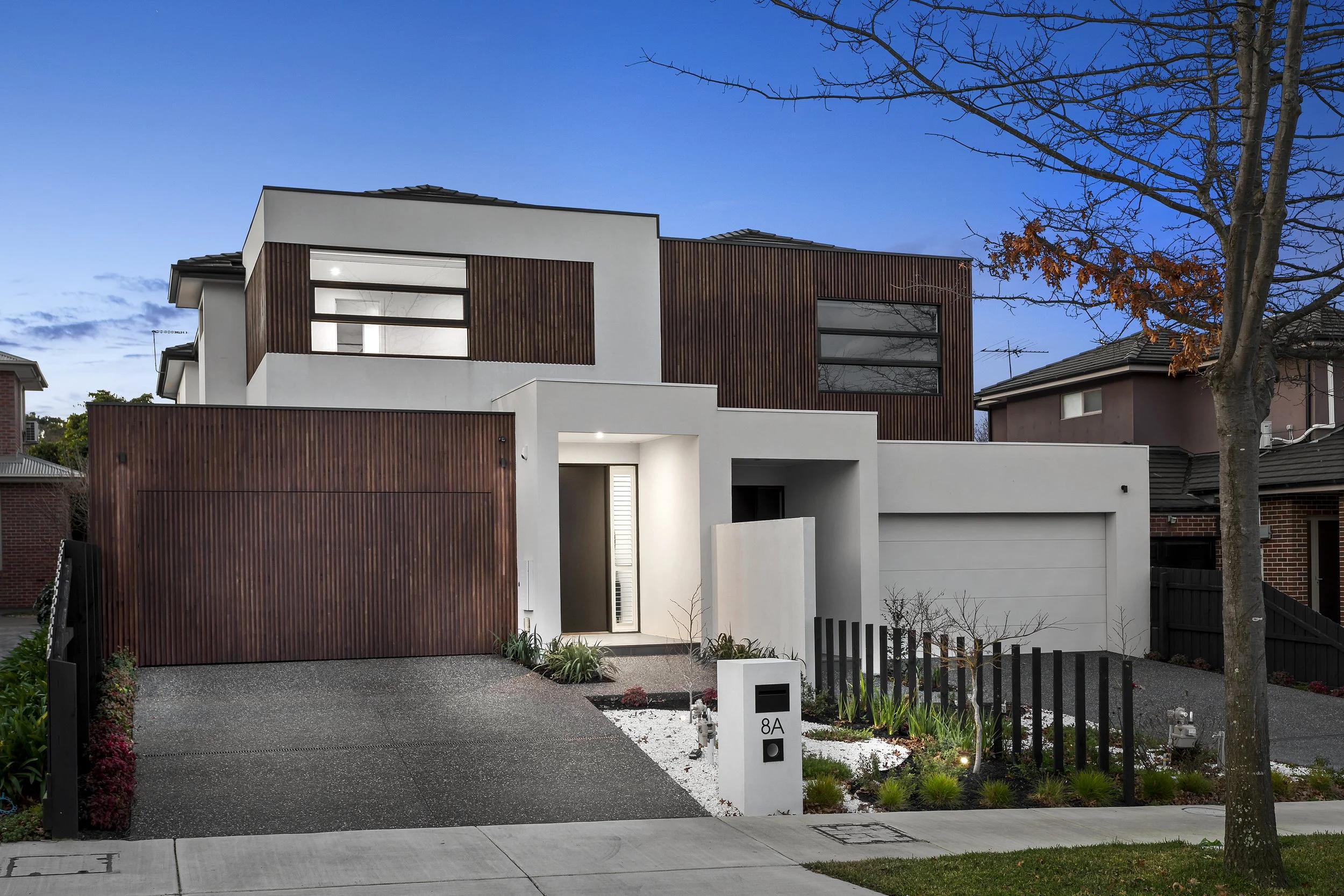
Dual Occupancy Builders Melbourne
Vector Homes helps Melbourne landowners assess, design and build boutique dual occupancy and duplex projects with a builder-developer approach.
A developer-informed approach that reduces risk, controls cost and protects your outcome.
Working with homeowners and developers across Melbourne’s eastern suburbs.
Why Most Dual Occupancy Projects Go Wrong
Dual occupancy projects aren’t just about building - they require the right decisions early.
Most costly mistakes happen before construction even begins.
Common issues we see include:
Misalignment between design, planning constraints and construction reality
Overly ambitious designs that exceed budget
Not aligning the end product with the market or buyer profile reality
Inefficient site planning leading to compromised layouts
Delays caused by incorrect planning pathways
Redesigns and cost blowouts during construction
Our Approach
At Vector, we guide projects from feasibility and concept through to construction, ensuring design ambition remains grounded in planning and construction reality.
By aligning planning, design and build from the outset, we reduce risk, avoid redesign and support confident decision-making throughout the process.
Where appropriate, we design to comply with Clause 55 standards - allowing many projects to qualify for the VicSmart 10-business-day permit pathway and avoid extended council delays.
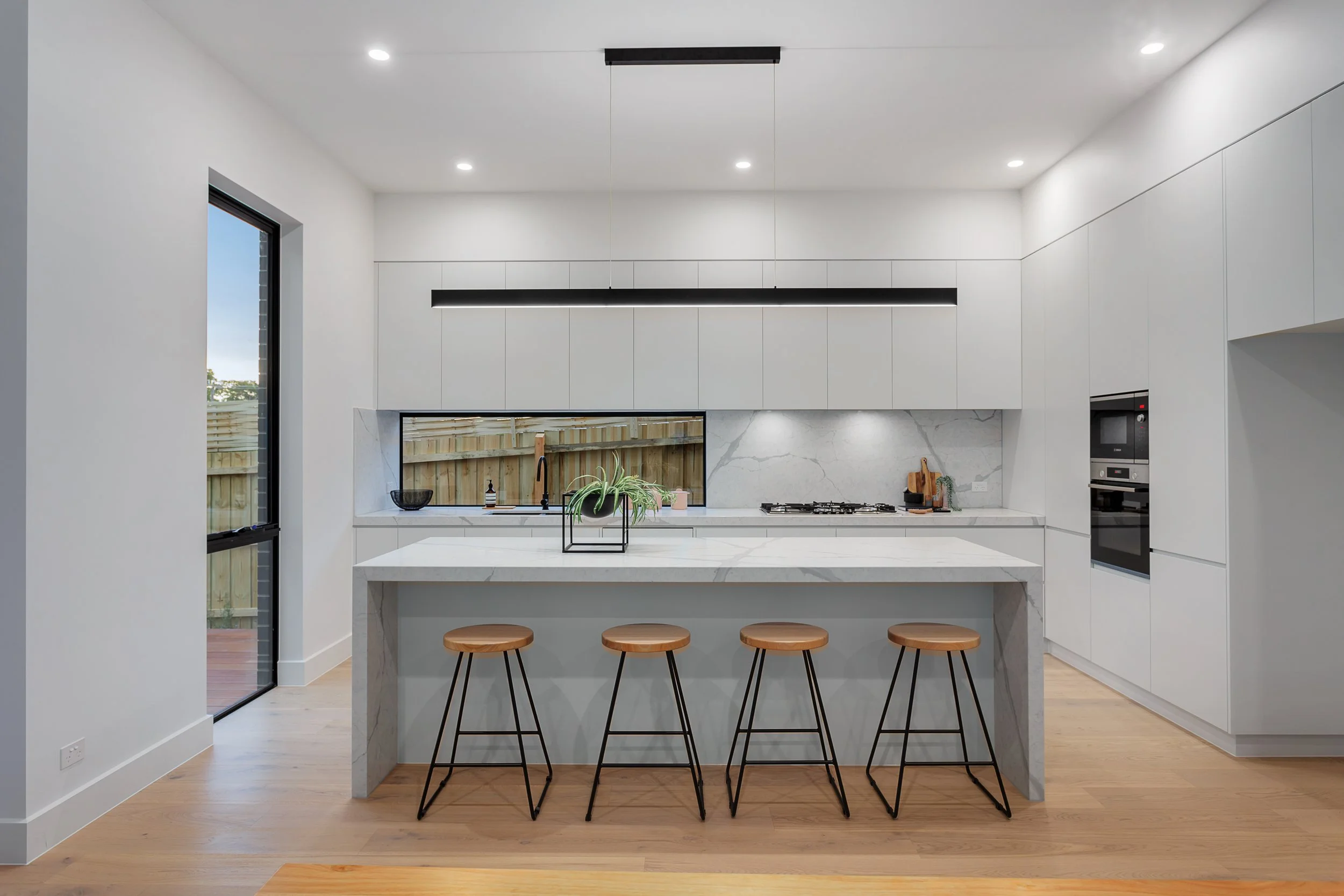
Design that Balances Yield and Liveability
Successful dual occupancy projects require more than maximising yield - they need to work as homes.
We focus on creating well-resolved layouts that balance:
Efficient use of the site
Strong street presence
Functional, liveable internal planning
Long-term market appeal
Rather than over-designing or forcing yield at the expense of quality, we take a more considered approach - ensuring each dwelling feels complete, practical and aligned with buyer expectations.
The result is a project that performs not just on paper, but in the market.
Your Project Journey
A clear, structured path from feasibility through to construction.
01 — Feasibility
Assess site constraints, zoning, overlays and development potential
02 — Concept & Strategy
Develop layouts that balance yield, design quality and buildability
03 — Planning Approval
Prepare and manage town planning documentation and approvals
04 — Documentation
Resolve construction details early to reduce variation risk
05 — Construction
Deliver with cost control, clear communication and discipline
A process designed to reduce risk, maintain clarity and protect your outcome.
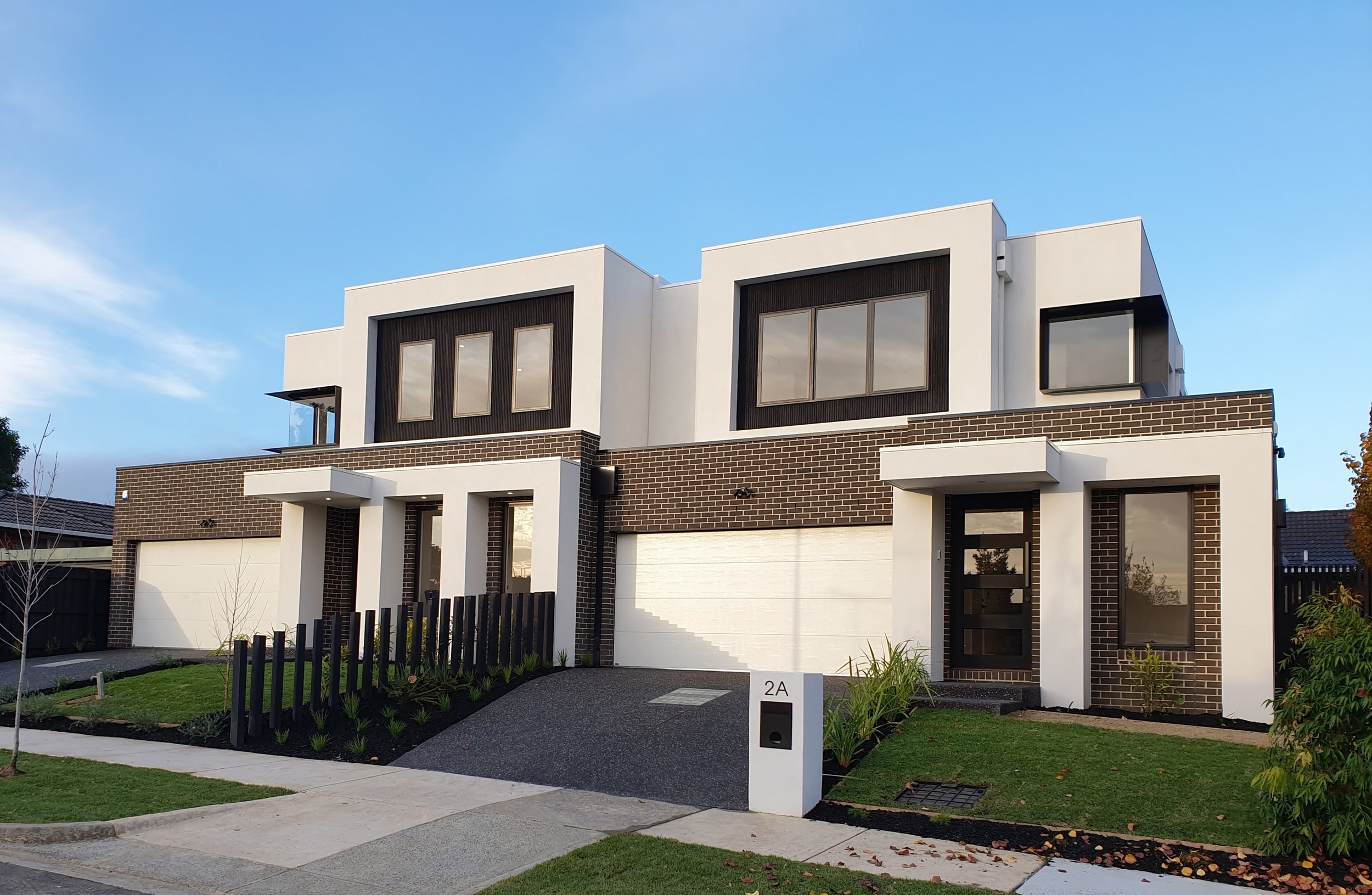
Boutique Duplex - Doncaster East
Who this suits
This approach is best suited to clients who:
Own land and are exploring its development potential
Want clarity before engaging architects or consultants separately
Value considered design over volume-driven outcomes
Prefer early cost visibility and structured guidance
This is not a speculative, high-density development model. It is a boutique, considered approach to dual occupancy.
Grounded in Real-World Delivery
Our experience delivering dual occupancy projects provides insight into:
Planning pathways and approval strategies
Construction efficiencies and cost control
Market positioning and buyer expectations
This ensures each project is not only well-designed, but intelligently resolved.
Selected Dual Occupancy Projects
Stoke
A boutique townhouse development carefully resolved to balance planning compliance, refined contemporary form and long-term market positioning.
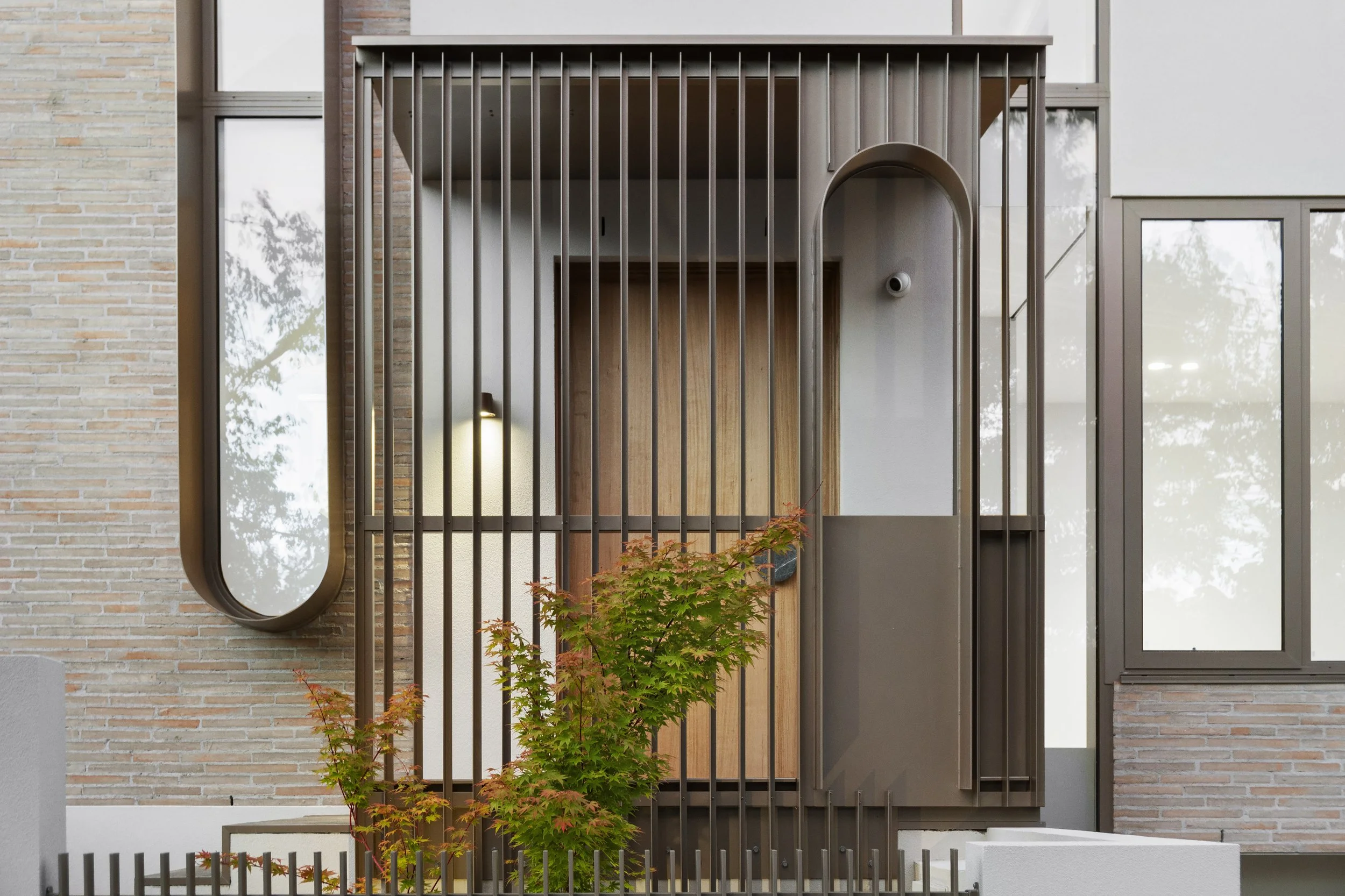
Cyril
A thoughtfully planned dual occupancy designed to maximise site potential while maintaining clarity in construction methodology and delivery.
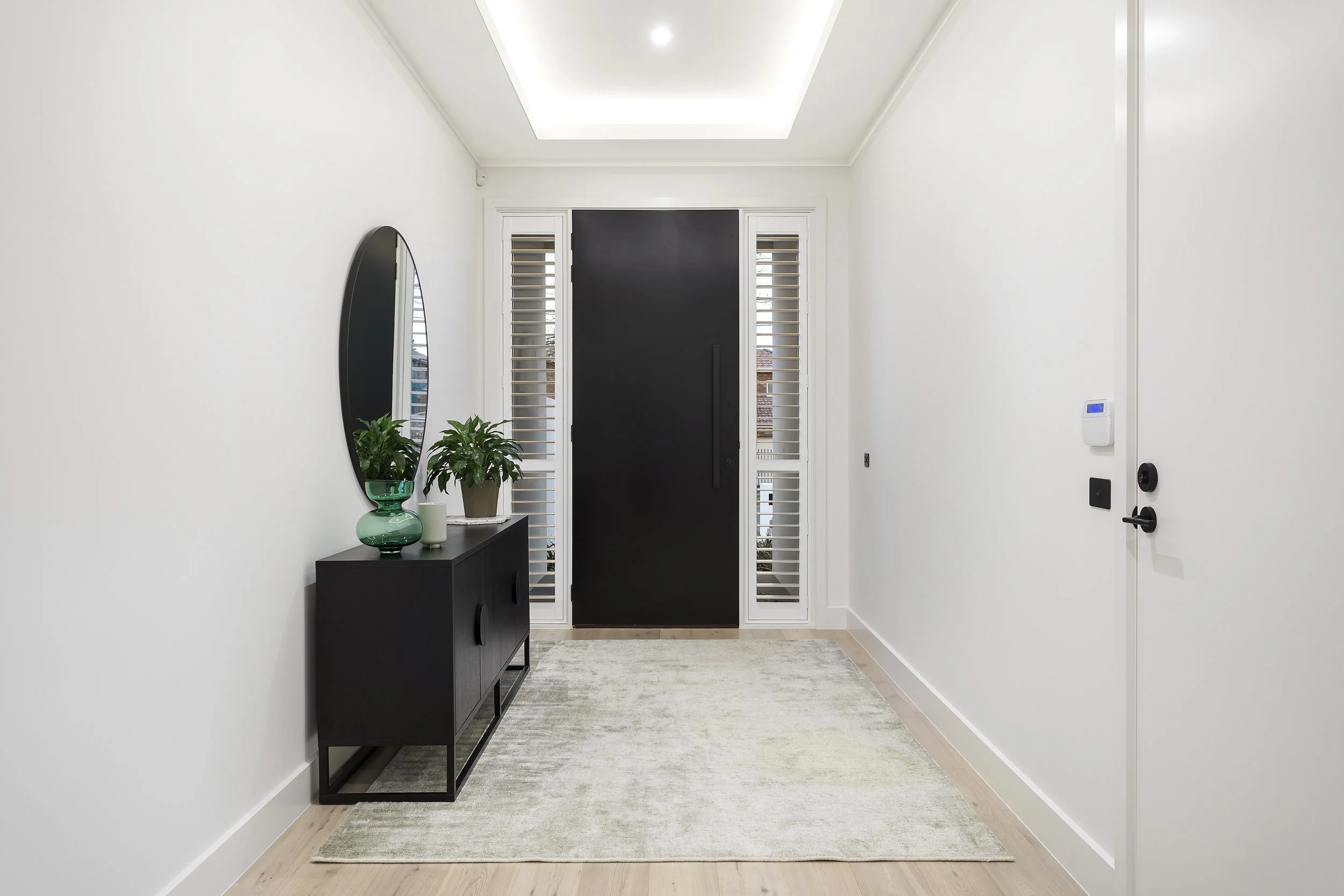
Loxley
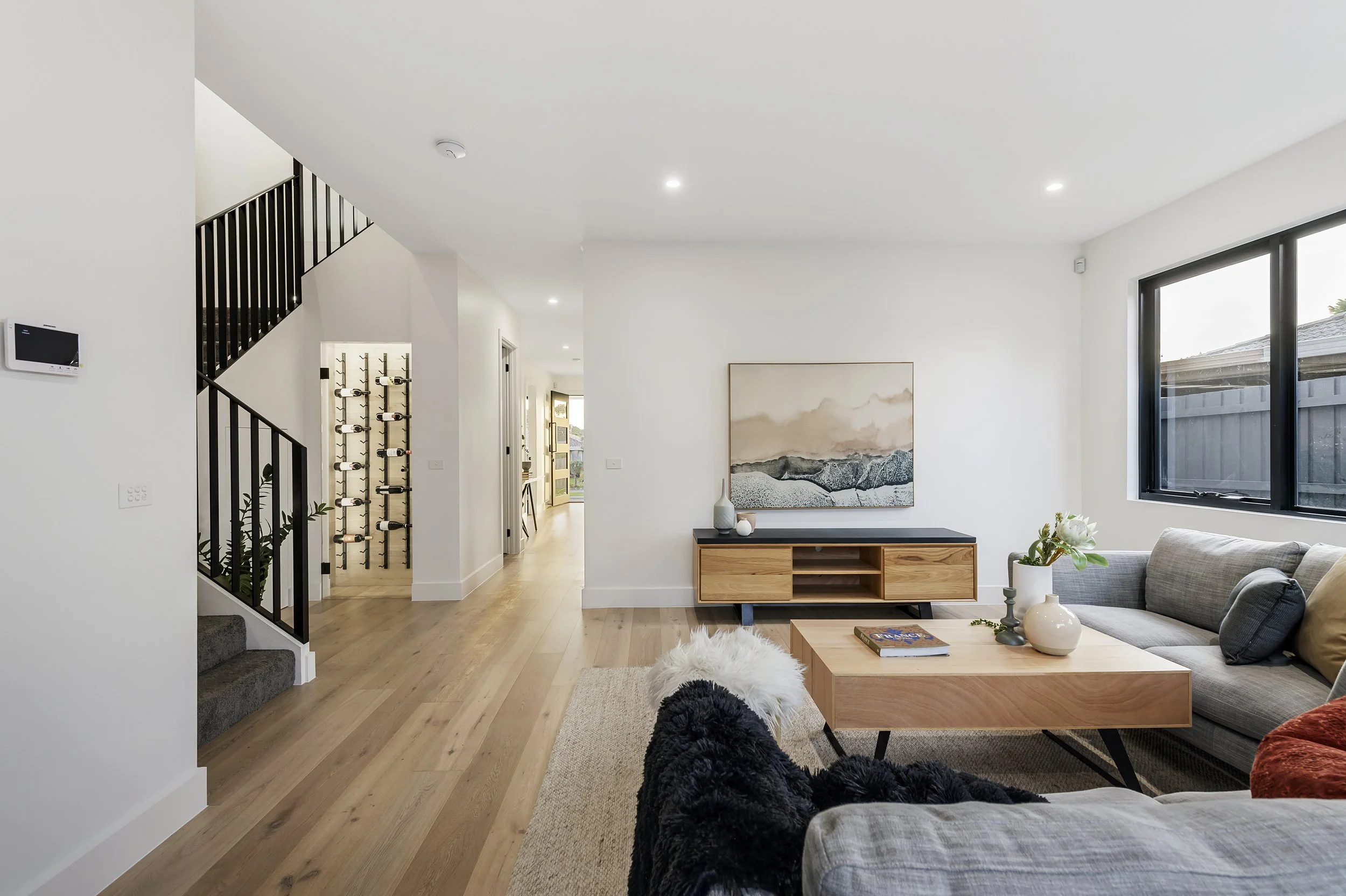
A considered duplex project shaped by site constraints and neighbourhood context, delivering efficient layouts without compromising architectural restraint.
FAQs
-
On average, construction costs for a high-quality dual occupancy in Melbourne range from $650,000 to $1,000,000+ per unit. For premium, custom-designed builds, costs typically sit between $3,000 and $4,000 per square metre. Factors like site slope, council requirements in areas like Manningham, Whitehorse or Boroondara, and the level of internal finishes will influence the final investment.
For a more detailed breakdown, you can view our dual occupancy cost guide.
-
While no minimum lot sizes exist per se, most require a mandatory minimum garden area based on the total size of the lot, as well as clause 55 (rescode) regulations that govern minimum setbacks and private open space requirements.
As a general guide, sites above 500–600sqm with adequate frontage provide greater flexibility - however, each site must be assessed individually.
-
Timeframes vary depending on planning complexity and council responsiveness, however, with the introduction of the latest Vic Smart applications, deemed to satisfy applications are being turned around much faster, but the typically range between:
• 6-10 months for design and planning approval
• 8–12 months for constructionOverall project durations commonly span 18–24 months, assuming no delays between activating the next stage.
Clear sequencing and early alignment help avoid unnecessary delays.
-
Yes.
Our integrated model coordinates planning documentation, consultant engagement and submission management.
Because we are involved from the outset, the design intent and construction methodology remain aligned with regulatory requirements throughout the approval process.
-
A dual occupancy generally refers to two dwellings on a single land title. A duplex is a specific type of dual occupancy where the two homes are semi attached, often sharing a common central wall.
Explore the Potential of Your Site
If you are considering a dual occupancy project and would value early alignment between feasibility, design and construction, we welcome an initial discussion.
Not ready to book a consultation?
Download our Dual Occupancy Guide - a practical overview of what’s achievable, typical costs and how to approach your site.